iPhone Duo Buying Guide: Apple's $1,999 Foldable Explained
The iPhone Duo combines a compact outer screen with Apple's largest iPhone display inside. That flexibility costs $1,999. For the right routine, unfolding it could save constant app switching or carrying a second screen. For everyone else, the more interesting question is what a conventional iPhone does better for less money.
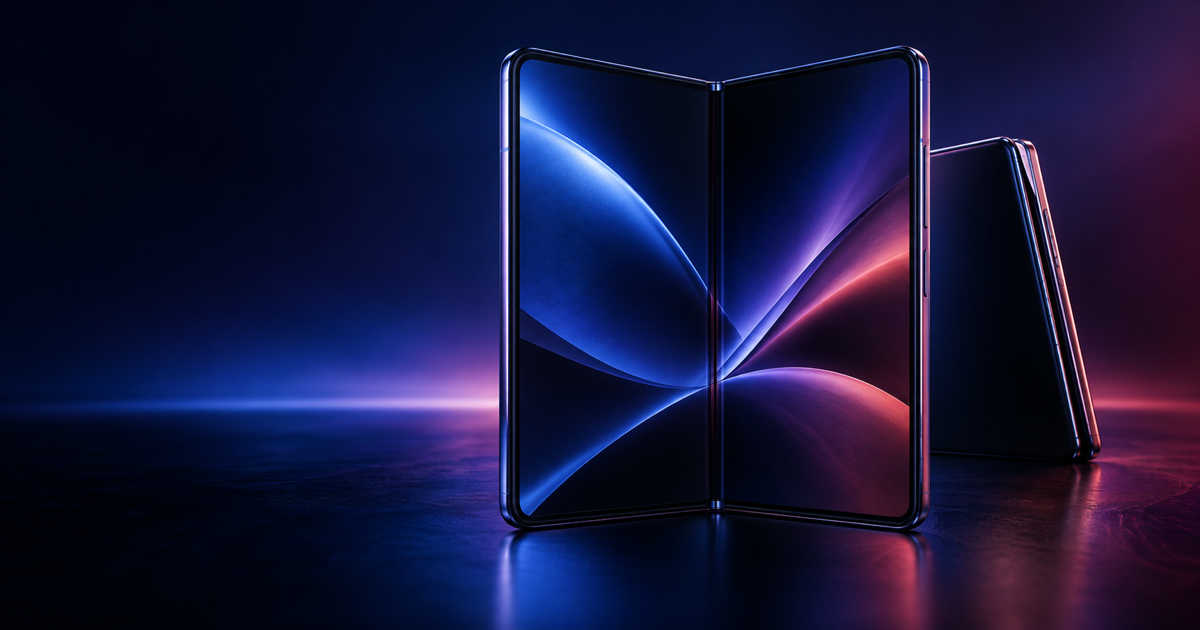
Outer display
5.4″
Compact, one-handed screen when closed.
Inner display
7.6″
Apple's largest iPhone display when open.
Starting price
$1,999
256GB; up to 2TB is available.
Launch
Oct 23
Preorders begin October 16 at 5 a.m. PT.
Screen Size: Pocket Phone to Small Tablet
Diagonal display size; bars are proportional
Diagonal measurements do not capture aspect ratio or usable area. Apple says the 5.4-inch outer display provides 90% of the screen area of iPhone 18 Pro.
The Screen Is the Product
Closed, Duo is intentionally small. Opened, the 7.6-inch inner display becomes a workspace for two apps, a larger map, a book page, or a video that does not feel squeezed into a normal phone. Both displays use the same aspect ratio, so content can move between them without dramatically changing shape.
That is the reason to buy it. The A20 Pro and 48MP cameras are flagship parts, but the premium pays for the folding format. Before placing an order, name two things you do on a phone that feel cramped today. If the answer is mostly scrolling short videos or replying to messages, the extra space may not change enough to justify the cost.
Apple's Split View lets two apps sit side by side. Consider a traveler comparing a hotel confirmation with a map, or a contractor reading an estimate while drafting a response. Those are situations where seeing the reference and the task together could remove repeated app switching. The useful question is whether your particular apps expose the right information at that width.
The diagonal-size bars do not measure productivity or total usable area. Display shape, text size, the keyboard, and an app's layout all affect how much fits. A larger panel can show a larger version of the same page without showing more information. In a store demo, open a long email, a document, and your favorite reading app. Check the layout with the keyboard visible, then fold and unfold the phone to see what happens to your place.
Apple has also announced USB-C Apple Pencil support for later this year. That is a future feature, not a launch-day guarantee. If annotation is the reason you would buy Duo, wait for that support to arrive and test the exact workflow. A promised capability should not be doing all the work in a $1,999 buying decision.
Apple's Battery Claims Depend on Which Screen You Use
Hours; these modes are not interchangeable
Apple video-playback claims. The separate 24-hour mixed-use estimate uses a different test and is deliberately excluded from this comparison.
Three Battery Numbers, Two Different Kinds of Test
The video ratings let you compare playback on the inner and outer display under Apple's test conditions. Its separate 24-hour usage estimate assumes the displays are used equally in a mixed workload. It is not the average of 31 and 44 hours. We have kept it out of the bar chart to avoid suggesting that those three numbers form a single benchmark.
A buyer who mostly uses the outer screen for messages may have a very different day from someone running maps and another app on the inner screen for hours. Neither person should expect video playback to predict navigation endurance. The test we want most is a consistent day of calls, photography, mobile data, and multitasking, with time on each display recorded.
There is also a practical tension in the purchase: if you keep Duo closed to conserve energy, you spend less time enjoying what you paid extra for. Evaluate it around the screen you want to use, not the battery figure that looks best. Travelers should additionally confirm eSIM support with their carrier; Apple specifies an eSIM-only design worldwide.
| Area | What you get | Tradeoff |
|---|---|---|
| Design | Titanium foldable with precision hinge | More moving parts than a slab phone |
| Displays | 5.4-inch outer + 7.6-inch inner | Foldable inner display needs long-term testing |
| Cameras | 48MP main + 48MP ultrawide | No dedicated Pro telephoto camera |
| Authentication | Side-button Touch ID | No Face ID |
| Durability | Apple-rated IP68 | Long-term hinge wear is unproven |
| Charging | 50% in ~20m wired; ~30m wireless | Real-world thermals need independent testing |
The Compromises You Will Notice After the Demo
The most obvious camera tradeoff is the absence of a dedicated telephoto lens. A parent photographing field sports or a traveler framing distant architectural details should compare Duo with a Pro at their usual zoom level. A large viewfinder can make framing more pleasant, but it cannot substitute for the lens collecting the image. Conversely, someone who mainly shoots people nearby and wide scenes may rarely miss that extra camera.
Touch ID changes a small interaction you repeat many times a day. Test the side button with your usual grip, with the phone flat on a desk, and while opening it. Some people will prefer a fingerprint reader; others will miss Face ID. Neither preference is captured by a specification table, and the answer may matter more than another increment of chip performance.
Durability needs equally specific questions. IP68 describes resistance under defined laboratory conditions; it does not answer how the hinge feels after prolonged use, whether debris affects closure, or what an inner-display repair costs. We have no long-term test results for this new model. Ask for the actual repair and coverage terms, then consider how you carry a phone at work, at the beach, or around small children.
Before buying a case, verify that it allows the phone to open fully, remains comfortable when closed, and works with your intended charger and stand. The appeal of a compact foldable can change once protection is fitted. A hands-on check with the accessories you expect to use will tell you more than a bare-device glamour shot.
What Does the $800 Premium Replace?
At starting prices, Duo costs $800 more than iPhone 18 Pro and $700 more than Pro Max. Spread over three years, the $800 difference is about $22 per month before taxes, accessories, financing, or resale. That is a way to frame the expense, not a payment offer. It only becomes good value if the folding screen improves something you repeatedly do.
The strongest case is replacing a second device you would otherwise carry and buy. But be honest about replacement: a larger iPhone is not automatically a laptop, and someone who needs a desktop application, a full keyboard, or a shared family tablet may still need another screen. If the tablet stays in your bag, the Duo premium bought convenience rather than a device saving.
Choose storage from current usage and expected files, not the novelty of the form factor. Downloaded films, games, and locally stored video can change the requirement; a larger display by itself does not. Check your current free space and cloud habits, then compare the full cost of matching capacities. With a first-generation device, we would leave more room in the budget for protection and flexibility than assume a particular resale value.
Who Should Buy It?
Buy it if the folding screen replaces another device
Frequent travelers, heavy readers, field workers, and multitaskers may genuinely carry one fewer screen. That is the strongest case for paying the premium.
Wait if durability and resale matter
No launch presentation can tell us how the hinge, inner display, or battery ages after a year. Independent testing and the first resale data will.
Skip it if you only want the best iPhone camera
The cheaper iPhone 18 Pro has a more camera-focused pitch and costs $800 less. Duo's money goes into the folding format.
Our Launch Recommendation
Do not buy iPhone Duo because it is the most expensive iPhone. Buy it because a 7.6-inch screen that folds into a 5.4-inch phone changes your day. Everyone else gets a faster, safer value decision from the iPhone 18 Pro comparison.
Source: Apple's iPhone Duo announcement. Display, charging, and battery figures are manufacturer claims; long-term durability remains untested.